How long?
6 days, 5 nights
(longer if you plan to stay a few days in San Francisco at the start or end of the trip — we’ve spent 3 nights there)
How many miles?
~845 miles / 1,360 km
How?
Driving (+ hiking in Yosemite)
Phone / GPS or road map recommended
Maps?
National Geographic Trails Illustrated Map #206 or #306 (for the hiking part)
Itinerary:
San Francisco -> Yosemite Valley -> Mono Lake / Lee Vining -> Glacier Point (Yosemite NP) -> Sebastopol / Sonoma Valley -> Bodega Bay -> Point Reyes -> Bolinas -> San Francisco
San Francisco:
We flew to San Francisco from NYC and spent the first 3 days and nights exploring this great city. Now like all great metropoles, a few days is hardly enough to scratch at the surface. Still, you can cover the most popular attractions.
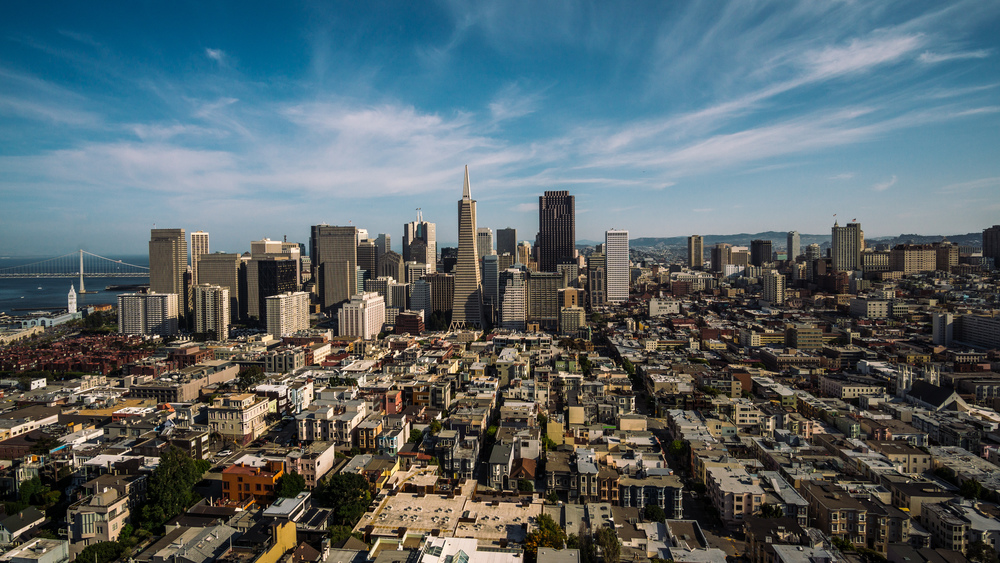
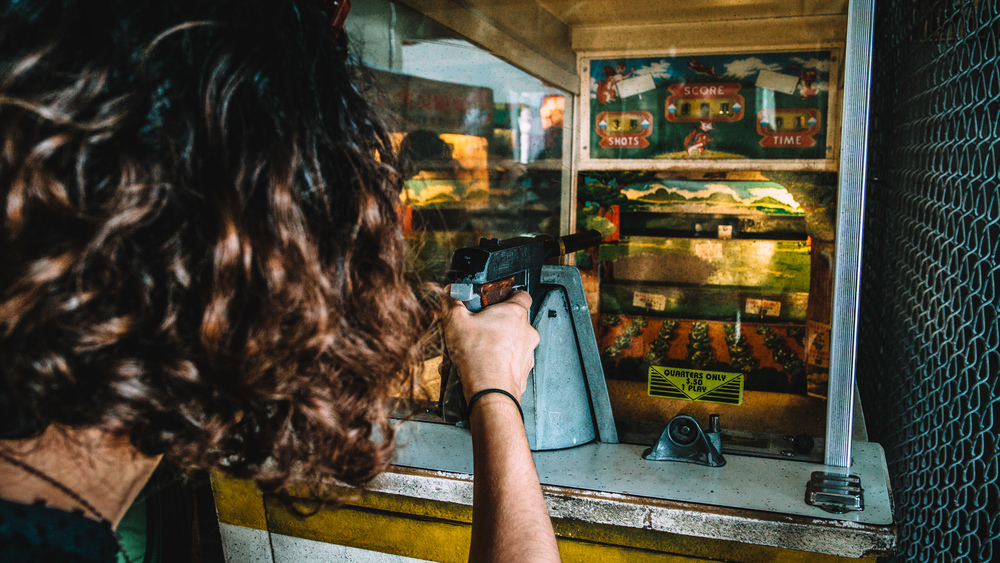
Coit Tower is probably a good place to start your exploration as you get a pretty good idea of the city’s layout. After that is is really up to you. There are the obvious tourist attractions: Golden Gate Bridge, Alcatraz, the cable cars, the Painted Ladies, the Transamerica Pyramid, the Ferry Terminal, the sea lions at Pier 39, Twitter headquarters (really?)… If you are a fan of the beat writers, there’s a museum for it, and you can follow their steps through the city. If you are a fan of Francis Ford Coppola, be sure to stop at the Cafe Zoetrope. If you are interested in LGBTQ history and/or scene, pay a visit to the Castro District. Eat some shell fish on Fisherman’s Wharf, play antique arcade games at the Musée Mécanique, stroll through Golden Gate Park and visit some of the great museums in town — your options are endless.
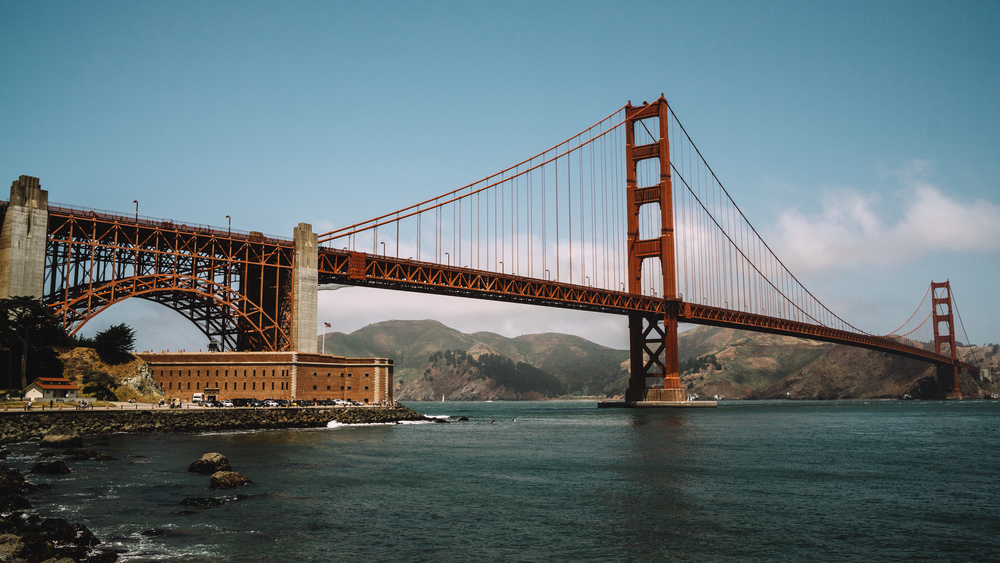
While quite touristy, it is a really great idea to rent a bike to explore the city, especially if you plan to cross the Golden Gate Bridge to visit the Marin Headlands. There are so many shops in town that rent bikes, so it is quite cheap and convenient. Best of all, as this road trip will see you backpacking in Yosemite National Park in a few days’ time, you can rent bikes from a place called “Essentially Free Bike Rentals”. The deal here is that you pay for the bike rental, but then get the fee as store credit in an outfitter store called “Sports Basement”. Since you probably need some camping food, gas canister for the camping stove etc, you will definitely get that money back. And it couldn’t be easier too, since the outfitter store is bang on the route you will have to cycle if you plan to ride from downtown to Golden Gate Bridge and the Marin Headlands. If you do plan on crossing the bridge, pack a pullover or jacket as there will be wind and quite likely some fog too, so you will get cold if you are only wearing shorts and a t-shirt (I speak from experience here!).
After a few days in town: escape!
Leg 1 (San Francisco -> Yosemite Valley -> Tioga Road -> Mono Lake -> Lee Vining):
When we were in town (Memorial Day weekend 2016), car rentals in town were much more expensive than at the airport, so we just took the BART train early in the morning to the airport car rental center and got our car from there. Once you got your wheels sorted, it’s time to hit the road and set course for the awesome place that are the Sierra Nevada mountains in general and Yosemite National Park in particular.
The plan for the day is easy: visit Yosemite Valley, then cross famous Tioga Road (if you are doing this trip in late May / early June: check the NPS website to make sure it has indeed opened for the season — it depends yearly on the snowfall how early the road opens) and spend sunset on the shores of otherworldly Mono Lake.
It’s a solid 4 hours of driving to get to Yosemite from San Francisco airport, but it’s a reasonably nice drive along gently rolling Californian hills. As you drive down route 120 after entering the park, you will get your first glimpse of Yosemite Valley with Half Dome at the very far end. It’s a nice view, but merely OK compared to the other views you can have in the park, so don’t go crazy yet, jumping out of your car and getting run over — be sensible!
If you are going to go for an overnight hike, don’t forget to pick up your wilderness permit from the ranger station at the park entrance. You will always be able to get permits for the night or the next few days, but if you plan to start off from some of the more popular trail heads (e.g. Happy Isles or Glacier Point) you better reserve them online in advance or they will have sold out. If you plan to include an ascent of Half Dome in your trip, then you absolutely will have to get them online, as it will be a lottery to get one at the park. The good thing about going for an overnight hike is that you can reserve the Half Dome permits to go with your wilderness permit and the reservation window for wilderness permits opens well before the day permits for Half Dome are allocated, so you will have very good chances of getting one of these coveted permits — the only condition for getting one is that your hiking route takes you reasonably close to Half Dome in the first place. Note that the cables for ascending Half Dome are only in place from late May to mid-October each year.
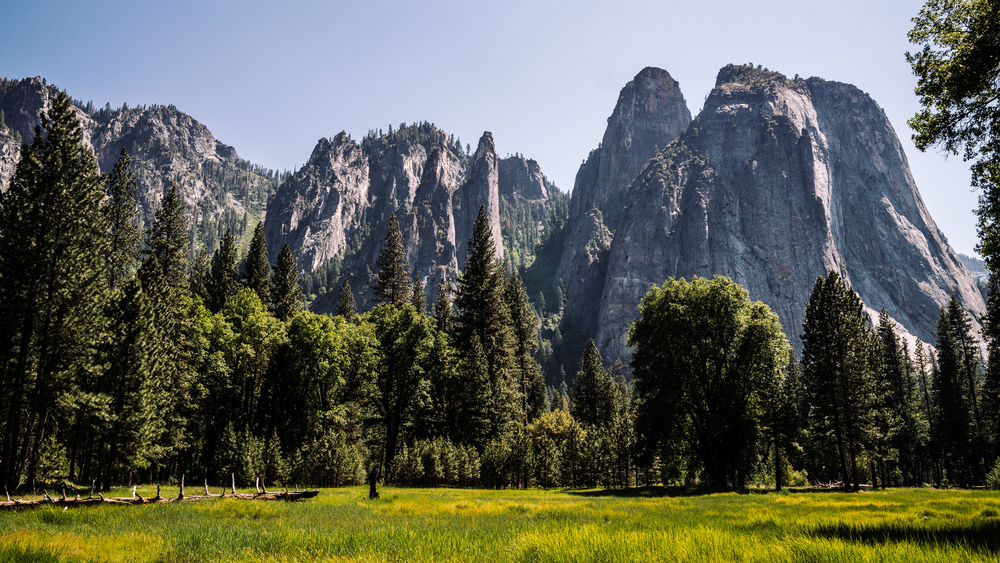
Soon enough you will come to a crossing with Big Oak Flat Road. Actually the road branching off to the left at this crossing is route 120 (also known as Tioga Road) whereas the straight road ahead of you is Big Oak Flat Road. Go straight and follow this road down to the valley floor. Here traffic is one-way and counter-clockwise. There will be two lanes for the car and camper van traffic and it is dearly needed as each year between May and October the place is flooded with people (75% of all visitors to the park come between these two months according to the NPS website). Be careful for other cars coming to abrupt stops when a turn gives way to an epic view of some mountain or waterfall and people jumping out of cars, their camera phones at the ready.
When you are in the valley, you would not believe it, but the park is huge and 95% of it is wilderness (the valley is less than 1% of total surface area). However the vast majority of its 4+ million visitors a year visit the valley only, hence why it is so crowded. That said, no matter how crowded it is, the valley is really nice and it is perfectly possible to find secluded and solitary spots on the valley floor for a nice quiet picnic with gorgeous scenery all around you.
Spend a couple of hours in the valley, have a picnic in a shady corner of the valley, have lunch at one of the park concessionaires or simply go for a short hike. If the weather and visibility are good, and you think it may be worse the next day, then before heading back to the crossing with Tioga Road, head up to Tunnel View for the classic view of Yosemite Valley that every OSX user will know quite well from their Desktop wallpaper. Otherwise, after passing Valley View, just head straight back to the Big Oak Flat Road and when you get to the crossing with route 120, take a right turn and drive up on Tioga Road. Frankly, of all the drives I have done in the US so far, Tioga Road is one of the best and most scenic drives, right up there with Beartooth Highway in the larger Yellowstone area.
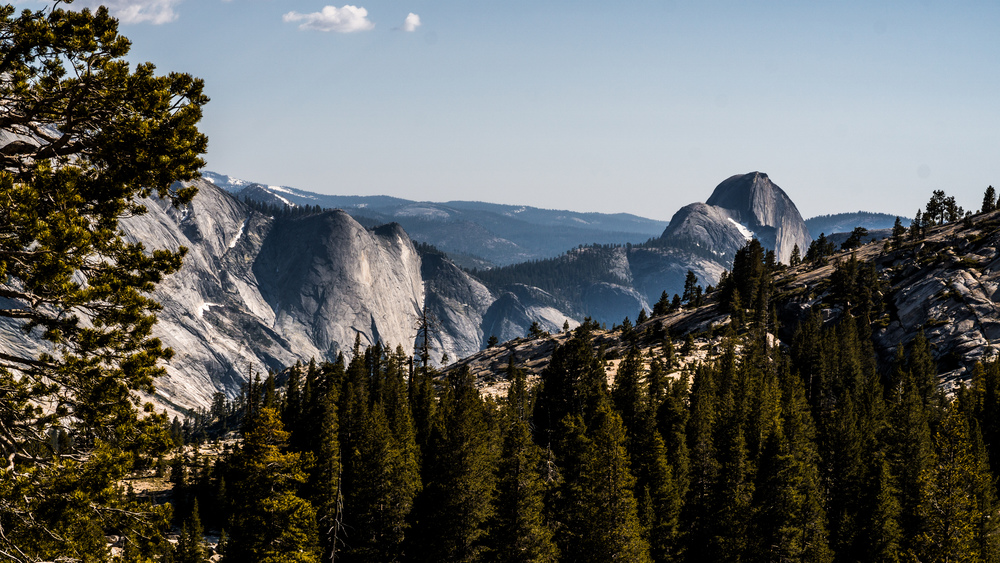
This is because Tioga road takes you up into High Sierra landscapes and over to the Eastern Sierra Nevada. The Eastern Sierra is so spectacular because the mountains rise much more dramatically on this side than they do on the western side; it’s simply one of the most beautiful sights I have every seen. The High Sierra landscape with its spectacular geology is just unbelievable. Hard to believe that these granite rocks were once just molten rock in the inner crust of the Earth, then pushed upwards by fault lines and exposed and shaped by erosion (rain, snow and glaciers) over millennia. The area around Olmsted Point, Tenaya Lake and Tuolomne Meadows is just wonderful.
Be sure to stop at Olmsted Point for some of the best views in the park and, if you have time, have a picnic here or go for a short hike. Winter lingers longer up here, so if you are visiting early in the season, be aware that there may still be snow or a lot of flooding from freshly melted snow.
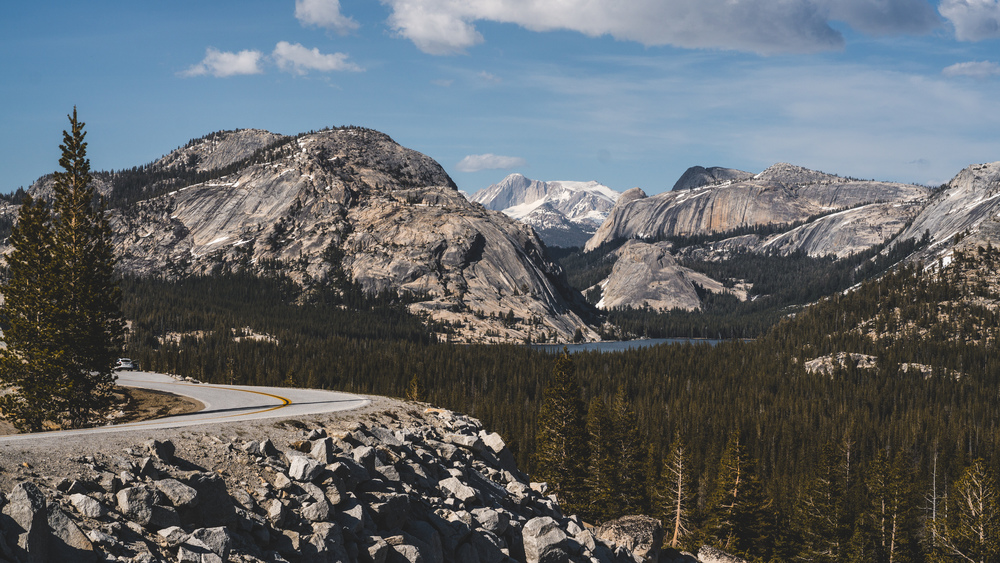
Finally, continue your drive along Tioga Road until you exit the park. As you drive down from the Sierra Nevada you will see a large lake stretching out in front of you: this is Mono Lake – your final destination for the day. You want to head straight for a place called the South Tufa Area. To get there take a right turn when you get off Tioga Road / route 120 and onto route 395. Continue for some 4-5 miles, then take a left turn back onto route 120, which now is called Mono Lake Basin Road. Follow this road for another 4-5 miles, then make another left turn onto a dirt road (Test Station Road) and this will take you to a small visitor parking lot. You will need to pay for day use permit at the ticket machine, but if you’ve got the America-The-Beautiful interagency pass, this will be accepted here — just display it in your car.
Mono Lake is a saline soda lake, which simply means that it is highly alkaline (i.e. pH > 7). Soda lakes are characterised by the relative absence of soluble magnesium or calcium (otherwise the pH would be neutral). This means that when underground, calcium-rich springs seep into Mono Lake, the calcium reacts with the carbonates of the alkaline lake water and forms limestone, which builds up as weird and beautiful columns, so-called tufas, along the water’s edge.
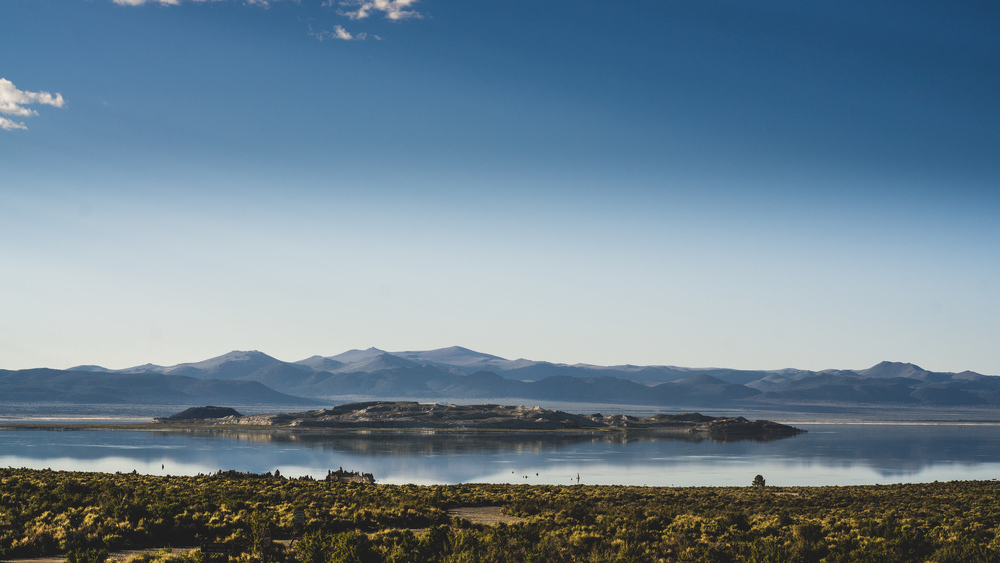
The incredible beauty of the surrounding natural scenery, together with the tufas and the calm, reflective waters account for Mono Lake’s otherworldly charm. It’s such a weird and surreal place, you really need to see it to believe it. Sunsets are spectacular here (just look at the feature image for this post!) so if you time this first part of the road trip right, you’ll be here just in time for magic hour. There are no fish in Mono Lake (the water is too salty), but there are brine shrimp here and these attract quite a lot of birds that feed on them, so if you are into birdwatching, you’ll have a good time at Mono Lake.
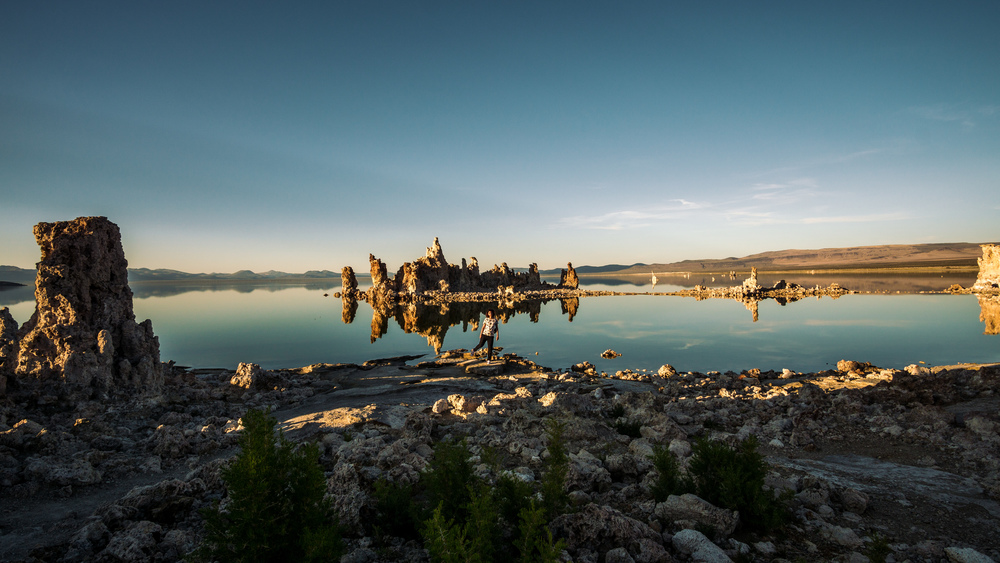
After the sun has set behind the mountains, head back to your car and drive to Lee Vining, just a few miles north along route 395. Its a small town, but there are a few good hotels here and you can get decent, low-key dinner here too.
Leg 2 (Lee Vining -> Tioga Road -> Tunnel View -> Glacier Point):
Get up early (or not — the schedule for the day is less packed, so if you are decently fast hiker, you can have a bit of a lie-in), get a good breakfast (again there are several decent places for this in town, e.g. El Mono Motel’s Latte Da Coffee Café) and get back in your car. Drive back up Tioga Road (and marvel again at the natural beauty along this road) and cross the park from east to west, then take a left turn onto Big Oak Flat Road and head back into Yosemite Valley. However, instead of driving all the way to the end of the valley, take a right turn now onto Wawona Road and head up to Glacier Point.
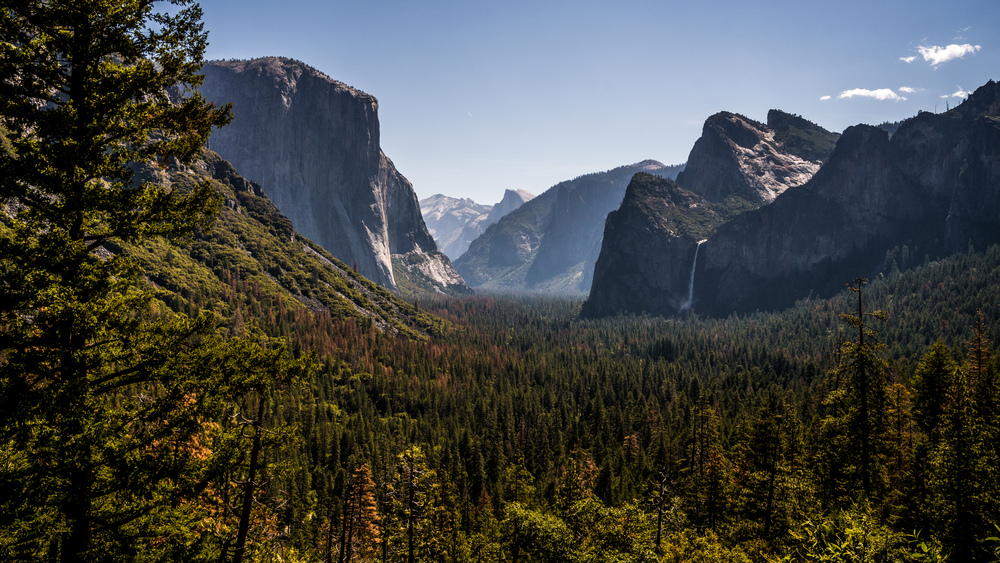
There will be several great viewpoints along the road, first of all Tunnel View, so be sure to stop and let your gaze wander. Tunnel View will be packed with people, so be patient if there is a bit of a traffic jam or if it is tricky to find a parking spot — the view is well worth it. Also watch out for people crossing the road in excitement.
Finally continue along Wawona Road, and take a left turn onto Glacier Point Road. Just before you reach Glacier Point, there will be Washburn Point to give you a little taste of the views that are to come during your backpacking trip.
Once at Glacier Point, get your backpack ready, be sure to leave all food and other smelly articles in a dated bag inside one of the bear storage boxes in the parking lot (or risk finding your car’s door torn open by a hungry bear on a midnight food binge) and set off hiking for a couple of days!
Backpacking trip in Yosemite NP (Glacier Point -> Little Yosemite Valley -> Half Dome -> Illilouette Ridge / Mount Starr King -> Glacier Point):
This is a fact: there are about 4 million (tendency rising) visitors to Yosemite National Park each year, but only some 56,000 (or about 1.4% of visitors) will actually go on an overnight hike. Considering how large the park is, unless you venture only to Little Yosemite Valley (which has a backpackers campground) you are guaranteed to find solitude, even at the peak of the summer season. So don’t miss this opportunity to get away from it all and pack your tent and hike out!
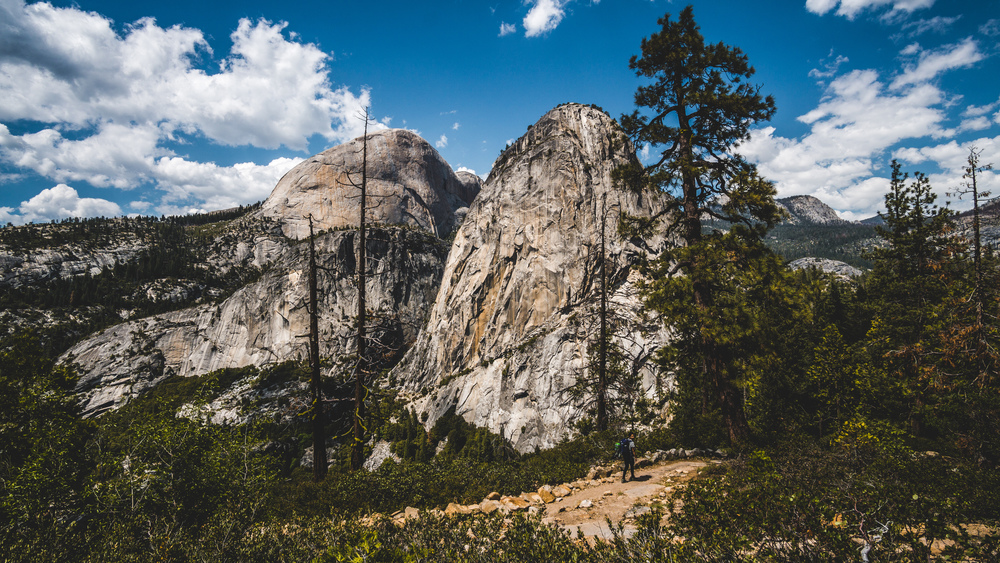
I have written up our 3-day, 2-night backpacking trip as a post of its own, so please refer to that post for this section of the road trip. I have also posted my best effort yet of capturing timelapse footage of the Milky Way rising in the night sky — just so you know what you can hope to see in the Yosemite wilderness.
Leg 3 (Glacier Point -> Sebastopol):
Three days after setting off, you will probably get back to your car for lunch time at the earliest and you will be exhausted (it’s a mercilessly uphill and exposed hike back up to Glacier Point). So take the time to freshen up a bit, changing into a new set of clothes and having a good cool drink or ice cream from the concessionaire store at Glacier Point.
This leg of the road trip will be the longest drive of the entire trip, and since you will probably be fairly tired from the 3 day backpacking trip that preceded, whoever is driving will find it the toughest too. Anybody else who has joined you for this trip will probably just happily doze off in the car.
Once you get to Sebastopol (or some other town in the Sonoma or Napa valleys), relax, take a shower and go out for a well earned dinner and go to bed early (or hit a bar and have a beer).
Leg 4 (Sonoma Valley exploration):
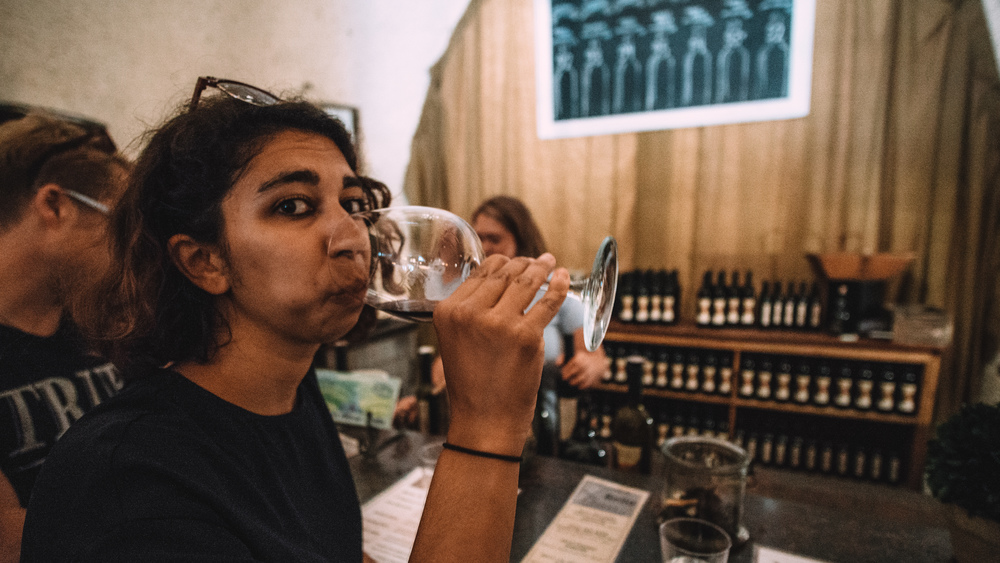
So after a couple of days of hiking and plenty of driving, take it easy the next day, get up late, then head to either Sonoma Valley or Napa Valley, rent a bike (or not, if you plan on getting stopped for a DUI) and go wine tasting! We rented bikes in Healdsburg, then cycled up West Dry Creek Road and stopped at several wineries that the bike shop had recommended to us (I don’t think they got kickbacks for this advice). If you are really serious about your wine, then you probably want to have researched this part of the trip as not all wine estates accept visitors without reservations (though in most cases all you need to do is phone the number on the sign, then come back half an hour later or so…).
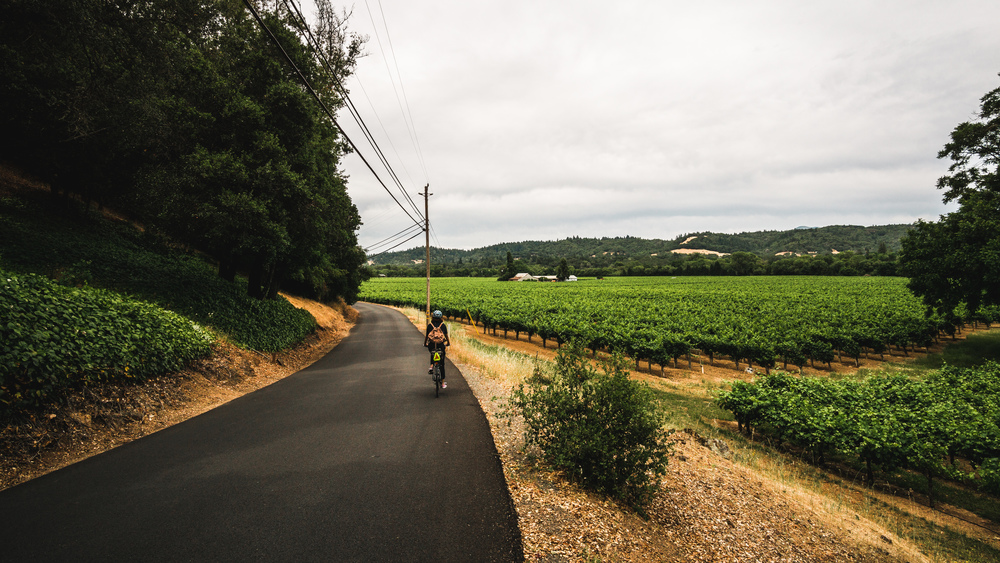
The roads were pretty quiet, with much fewer drunk drivers than I thought there would be (it was a Saturday when we did this trip). The cycling is easy, along gently rolling hills with the wine plantations right along the road.
You can have a decent lunch sandwich from the deli at the Cry Creek General Store (busy!) and enjoy a very relaxed day out on the bike here.
Now, if the first thing you did in San Francisco was to visit the Zoetrope building, then you probably definitely want to reserve a table for dinner at Francis Ford Coppola’s wine estate (just north of Healdsburg). It’s quite a good business he’s got here: a winery with an hotel, a pool, several bars, a restaurant and a museum. It is a pleasant corner of the world, the weather is good, you can play a game of Bocce (if you know how) and visit the museum. There is the original desk that Marlon Brando’s godfather sat at, there is the cavalry Stetson hat (or at least one of the several that were used during filming) that Robert Duvall’s napalm sniffing Kilgore wore in Apocalypse Now and plenty of other props and artifacts from Coppola’s films. There also seems to be a gift shop every five meters, but don’t let that distract you and the museum is free anyway.
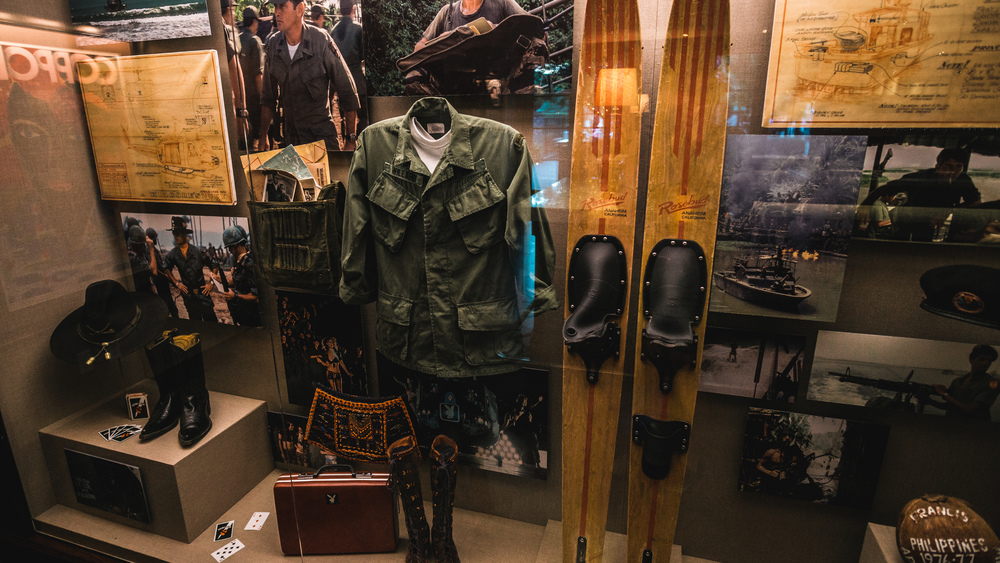
The restaurant, though a bit posh and on the expensive side, is very good and I definitely recommend the roasted rack of lamb. Have a nice, relaxed evening.
Leg 5 (Sebastopol -> Bodega Bay -> Point Reyes -> Bolinas -> San Francisco):
For the final leg of the trip, get up early again: there is plenty to do. From Sebastopol (or wherever you sat up shop in the wine country) head west to the Pacific coast. Drive to Bodega Bay (again if you are a film buff, this will be right up your alley: much of Hitchcock’s The Birds was shot here and on locations nearby). If you have not yet had breakfast, have some in town and then head up to Bodega Head for a nice short walk along the cliffs and, if you are lucky (we were not), some whale sightings.
After Bodega Bay get onto Highway 1 (yes this is the famous Pacific coastal highway, but really it is the Big Sur section between San Francisco and Los Angeles that is the most spectacular) and drive south the Point Reyes National Seashore. Along the road there will be several very good seafood shacks, so be sure to stop and have a bite. If it is weekend and lunch time when you get through here, be aware that it will be quite busy.
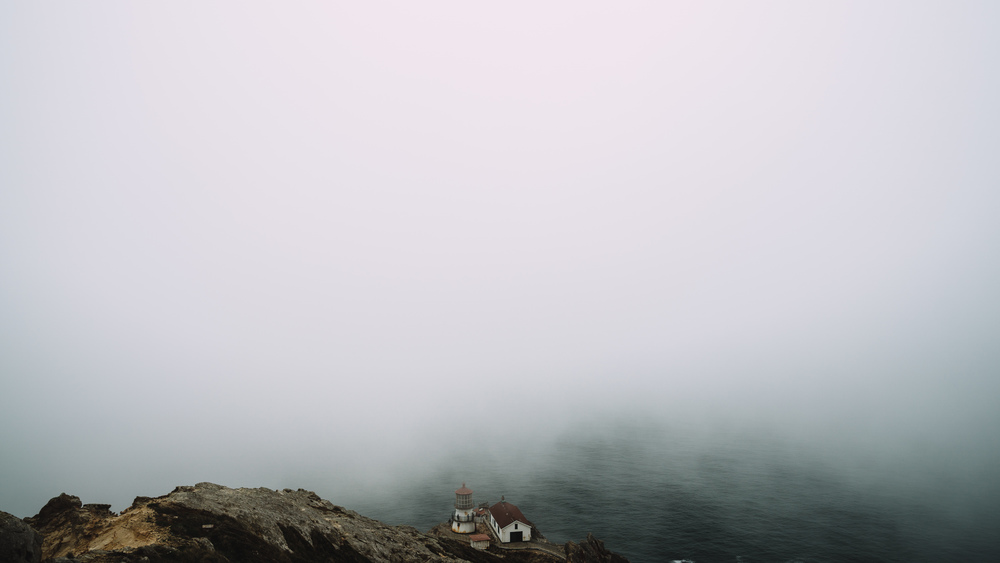
Point Reyes National Seashore has good hiking and spectacular wild, hike-in beaches to offer and there is nice lighthouse at the tip of the peninsula. This happens to be the foggiest spot in the US, so even if the sky looks clear when you are down near Tomales Bay, it may be quite a different story up at the lighthouse. There are also good spots to see sea lions and elephant seals on Point Reyes, so bring your binoculars.
Finally continue south towards San Francisco. There is a nice little seaside village that you can have an early dinner at: Bolinas. It’s a short detour off Highway 1 at the southern end of the Point Reyes peninsula, but there is no posted sign as the villagers kept stealing it. The local authorities no longer bother to put another one up and so the town has acquired a bit of a reputation as a reclusive community. However when we visited, the local folk were very friendly and there is even a small town museum, which presumably is still catering to tourists.
After your visit to Bolinas, keep going south. If you are still good in time, you can stop to visit Mt. Tamalpais (aka Mt. Tam). Otherwise continue south and cross the Golden Gate Bridge (you will have to pay for the tolls, but you get the bill in the mail as it is totally automated), then continue to San Francisco airport (or head into town if you are planning to add a few days here).
Final notes:
This was one of the best road trips I’ve done in the US so far, so I would not change much. It’s got a good balance of city trip, outdoor adventure and spoiling yourself / wine tasting. As with all trips, feel free to change where you stay for the nights, where or how long you hike out into the wilderness etc etc etc. If you have a few extra days at your disposal, I would add visits to Kings Canyon and Sequoia National Parks and maybe a detour south of San Francisco to Moss Landing (to see sea otters), Monterey and Big Sur.
Data files (click on the link, then download whatever format you prefer from the gpsies website):
Leg 1 (San Francisco, Yosemite Valley, Tioga Road, Mono Lake, Lee Vining): http://www.gpsies.com/map.do?fileId=gmjxwsxhlgwgahzg
Leg 2 (Lee Vining, Tioga Road, Glacier Point): http://www.gpsies.com/map.do?fileId=spckqiuwbglfiban
Leg 3 (Glacier Point, Sebastopol): http://www.gpsies.com/map.do?fileId=bifzusgwdbdhvikh
Leg 4 (Sonoma Valley exploration): http://www.gpsies.com/map.do?fileId=jupcojbdbrhcrese
Leg 5 (Sebastopol, Bodega Bay, Point Reyes, Bolinas, San Francisco): http://www.gpsies.com/map.do?fileId=kbtjdbzwjecamwuq
Complete Route: http://www.gpsies.com/map.do?fileId=ntngjbosehuibugd